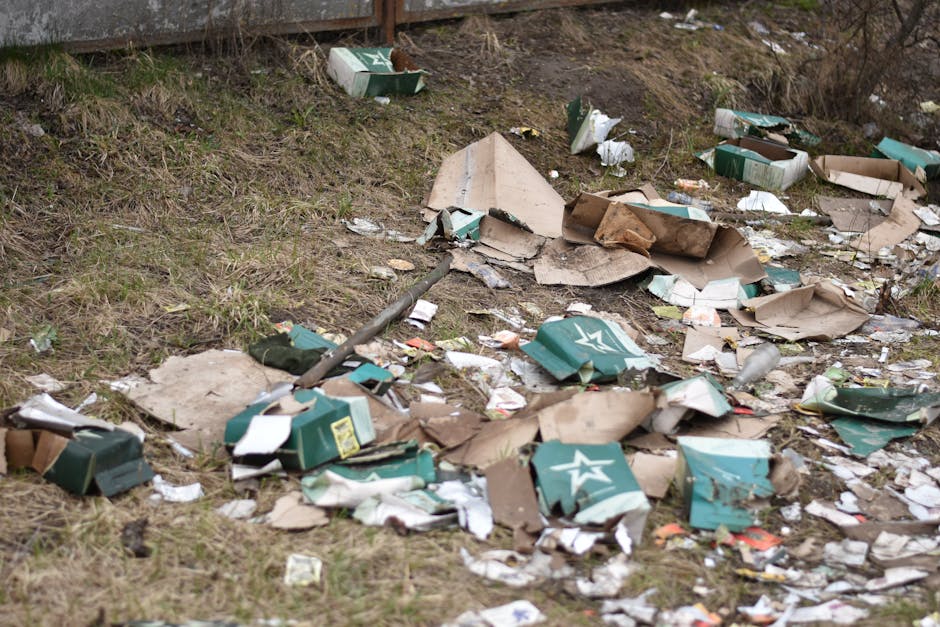
What to know about Havering Council fines for cleaning waste
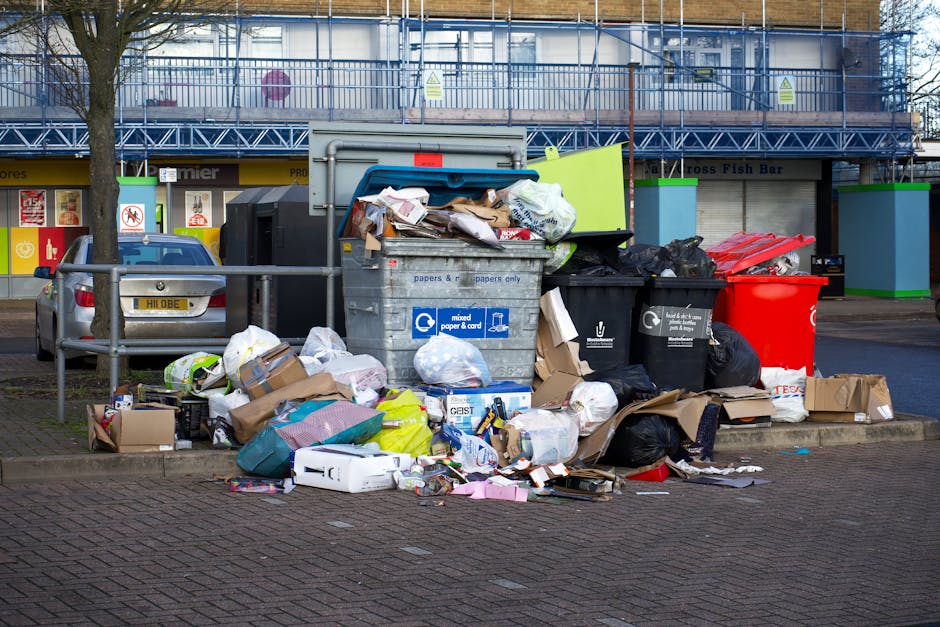
If you have ever put out a bag of dirty cleaning waste and wondered whether it could land you in trouble, you are not alone. What to know about Havering Council fines for cleaning waste matters because the line between everyday disposal and a littering or waste offence can feel annoyingly blurry. One wrong bin, one loose sack, one spill on the pavement, and suddenly you are dealing with a fine, a warning, or a very awkward conversation. This guide breaks it down in plain English so you can stay compliant, protect your budget, and handle cleaning waste the sensible way.
We will look at how council enforcement usually works, what kinds of waste create the biggest risk, and the practical steps that help avoid penalties. Along the way, you will also find a checklist, a comparison table, and a few real-world examples that make the whole thing easier to picture. Let's face it: nobody wants a fine for something that could have been prevented with a decent bag and a bit of planning.
Why What to know about Havering Council fines for cleaning waste Matters
Cleaning waste sounds harmless until it starts creating a nuisance. Dirty water in the gutter, vacuum debris on a path, soot in a bag that tears open, or textiles left outside after an upholstery job can all become visible problems. In a borough like Havering, where streets, driveways, flats, and shared accessways are busy and varied, enforcement often comes down to how responsibly waste is contained, stored, and removed.
This matters for households, landlords, tenants, property managers, and cleaning businesses. If waste is left where it can blow away, attract pests, stain the pavement, or obstruct a public area, the council may treat it as littering, fly-tipping, or improper waste storage depending on the circumstances. The exact outcome depends on what happened, where it happened, and whether there was any evidence of careless handling.
There is also a financial angle. Even a relatively small fine can sting once you add the time lost dealing with correspondence, photographs, and any follow-up cleaning. If you run a cleaning business, the reputational damage can be worse than the fine itself. A client is unlikely to be thrilled if the job ends with muddy marks at the kerb and a complaint before lunch.
Practical takeaway: the best protection is not just knowing the rules, but building waste handling into your cleaning routine from the start.
For businesses, this is where operational discipline matters. Having the right disposal bags, lined containers, and clear job instructions reduces the chance of problems. If you handle domestic or commercial cleaning work, it also helps to keep your own policies tidy and visible. Pages like health and safety policy and recycling and sustainability show how a careful operator thinks beyond the mop and bucket.
How What to know about Havering Council fines for cleaning waste Works
At a basic level, council fines usually arise when waste is handled in a way that breaks local rules or creates a public nuisance. The council may respond to complaints, spot checks, officer observations, or evidence left at the scene. Sometimes the issue is deliberate dumping. More often, it is a messy chain of small mistakes: an unsealed bag, a spill from a bin, or waste left out too early.
For cleaning waste, the risk often centres on three broad categories:
- Loose waste: dust, debris, lint, hair, broken packaging, or ash that escapes into a shared area.
- Liquid waste: dirty water, diluted chemicals, rinse water, or sludge poured into an unsuitable place.
- Bulky waste: removed carpet offcuts, underlay, old textiles, damaged cushions, or packaging left beside bins.
Not all waste is treated the same way. A few crumbs from a vacuum bag are not the same as leaving a pile of soaked carpet underlay outside overnight. Council officers will usually look at the overall behaviour, the condition of the area, and whether the waste looks like it was abandoned or merely being moved for proper disposal.
There is a common misconception that if waste comes from cleaning, it is somehow exempt. It is not. Dirty waste is still waste. And if a cleaning job creates a mess on a public footpath, communal hallway, or shared bin store, the responsibility usually sits with the person or business that created it.
Enforcement can also escalate when there is repeated non-compliance. A one-off slip-up may lead to advice or a warning. Repeated issues, or a clear refusal to tidy up, can move the situation toward a fixed penalty or further action. To be fair, councils are often more interested in preventing repeat problems than punishing someone for a genuine one-off mistake. But that does not mean they ignore recurring mess.
What usually triggers attention
- Waste left outside bins and blowing around in the street
- Cleaning residues poured into drains, gullies, or public areas without care
- Bagged waste split open by animals or poor packaging
- Carpet, rug, sofa, or upholstery offcuts left on the pavement
- Commercial cleaning jobs that block access or create visible detritus
If you are a business owner, it is smart to make waste handling part of your written process. The same level of care that goes into stain removal should go into disposal. That sounds obvious, yes, but plenty of problems start with what happens after the room looks clean.
Key Benefits and Practical Advantages
Getting cleaning waste handling right is not just about avoiding fines. There are genuine day-to-day benefits, and some are surprisingly practical.
- Lower risk of penalties: sealed, contained waste is far less likely to attract enforcement.
- Cleaner shared spaces: hallways, gardens, kerbsides, and bin stores stay presentable.
- Better customer trust: a tidy finish makes a stronger impression than a spotless carpet with debris left behind.
- Fewer complaints: neighbours and tenants are less likely to report mess if the area is left properly.
- Safer working conditions: no one wants to step on wet waste, broken packaging, or chemical residue.
There is another quiet benefit: confidence. When you know the disposal part is under control, the whole job feels easier. You are not second-guessing where to put waste or whether someone might complain later. That calm matters on busy days.
For cleaners, especially those handling domestic and commercial jobs, this also supports a more professional brand. A team that tidies its waste, uses suitable bags, and leaves no trace behind tends to look more reliable than one that does the job fast and hopes for the best. If you want that standard reflected across your operations, consider how it connects with your service standards on commercial carpet cleaning and upholstery cleaning.
Who This Is For and When It Makes Sense
This topic is relevant to more people than you might expect. In practice, the biggest risk groups are:
- Homeowners and tenants: especially after deep cleans, decluttering, or DIY cleaning projects.
- Landlords and letting agents: because communal entrances and shared bins create extra exposure.
- Cleaning businesses: domestic, commercial, and specialist services all generate waste.
- Facilities managers: where multiple contractors may handle waste on the same site.
- Property managers: where poor waste storage can quickly turn into a neighbour complaint.
It makes sense to think about Havering Council fines before, not after, a cleaning job. For example, if you are steam cleaning carpets and emptying recovery tanks, you need to plan where wastewater goes. If you are removing a stained rug or a sofa cover, you need a bagging and collection plan. If you are dealing with pet stain odour removal, there may be contaminated materials that need careful containment. These are not glamorous details, but they matter.
When the work is in a flat block or shared building, the margin for error is smaller. One careless bin placement can affect several neighbours. And once somebody has taken a photo and emailed the council, you are no longer in the world of "maybe later"; you are in the world of evidence.
Step-by-Step Guidance
If you want to stay on the right side of council enforcement, the cleanest approach is simple. Build a routine and follow it every time. Here is a practical step-by-step process.
- Identify the waste before you start. Work out what will be created: solids, liquids, packaging, contaminated cloths, disposable pads, or bulky items.
- Separate waste streams early. Keep general waste, recycling, and hazardous or contaminated materials apart.
- Use the right containers. Strong bags, lidded tubs, and sealed caddies prevent spills and smells.
- Keep liquids secure. Never leave dirty water where it can leak into communal areas or public drains.
- Move waste promptly. Do not let it sit around in hallways, front gardens, or on the pavement.
- Check the route out. If you are carrying waste through shared space, make sure the path is protected and clean on exit.
- Document the finish where needed. For business jobs, a quick photo can help prove the site was left tidy.
- Dispose of waste lawfully. Use the appropriate bins, collection service, or licensed disposal route.
If a job creates unusual waste, slow down and think it through. That is the bit people skip. A five-minute pause can save a fine, a complaint, and a surprisingly unpleasant afternoon.
A very workable routine for cleaners
- Carry spare heavy-duty bags in the vehicle
- Line any temporary waste tub before use
- Wipe or dry containers before moving them indoors
- Keep chemicals in their original, labelled containers
- Check for drips before leaving a property
For specialist cleaning work, this routine matters even more. A steam-cleaning job can leave damp debris. Stain removal can generate used cloths and spot-treatment residue. Mattress cleaning and curtain cleaning often create fabric waste, packaging, and soiled disposables that need to be boxed or bagged correctly. Little things. Big difference.
Expert Tips for Better Results
In our experience, the safest way to avoid cleaning waste problems is to treat waste as part of the job, not the afterthought. Most issues happen because people are mentally already on the next task. The room looks better, the customer is pleased, and the waste bag gets forgotten near the gate. That is usually where it goes wrong.
Here are a few practical tips that make a real difference:
- Overpack slightly, not recklessly. Bags that are stuffed to the brim tear easier.
- Keep wet and dry waste apart. A damp bag will split, smell, and generally make life miserable.
- Use gloves even for "light" waste. Broken packaging, grime, and contaminated cloths are easy to underestimate.
- Think about timing. Putting waste out too early in a shared area can be treated as poor storage.
- Train one person to do the final waste check. A named last-check person sounds dull, but it works.
One small habit that pays for itself: before you shut the front door, turn around and look back once. Are the bags sealed? Is the area dry? Is anything left near the curb? That quick glance has saved more trouble than people admit. Human beings are funny like that. We forget the obvious when we are in a rush.
If your work involves stains, soft furnishings, or carpets, using the right service approach also helps reduce waste in the first place. Targeted treatments can cut down on overuse of disposable materials, and careful method selection can limit unnecessary mess. If you want a broader operational standard, review your terms and conditions alongside your waste process so everyone knows what happens on site.
Common Mistakes to Avoid
Most fines and complaints are linked to a handful of avoidable mistakes. Some are tiny. Some are just plain careless. Here are the ones that come up most often.
- Leaving waste beside bins: if it is not in the bin, it is a problem waiting to happen.
- Using weak bags: thin bags split at the worst possible moment.
- Pouring liquid waste carelessly: especially near drains, kerbs, and communal pathways.
- Mixing old chemicals with general waste: that can create safety and disposal issues.
- Assuming "someone else will tidy it": this one causes more disputes than people expect.
- Forgetting shared areas: corridors, bin stores, and front steps are not private dumping spots.
A lot of people also misunderstand the difference between a waste problem and a cleanliness problem. A room can be sparkling and still create a council issue if the waste has been left outside. Clean floors do not cancel out abandoned bags. Councils are not usually impressed by good intentions. Fair enough, really.
Another mistake is failing to match the waste method to the job type. A small domestic carpet clean is not the same as a large commercial contract. The latter often needs scheduled removal, larger containment, and better communication with site staff. If your work spans both, it can help to separate procedures for carpet cleaning and more demanding premises, rather than using one generic process for everything.
Tools, Resources and Recommendations
You do not need fancy equipment to stay compliant, but a few practical tools make the job a lot easier.
| Tool or resource | Why it helps | Best use case |
|---|---|---|
| Heavy-duty waste bags | Reduces splitting and leaks | General debris, cloths, packaging |
| Lidded waste tubs | Contains smells and loose fragments | Wet or soiled cleaning waste |
| Reusable liners | Makes transport tidier | Repeated site visits or vehicle storage |
| Gloves and wipes | Safer handling and cleanup | All cleaning waste handling |
| Site checklist | Prevents forgotten waste | End-of-job sign-off |
| Waste disposal notes | Creates a paper trail | Commercial contracts and managed sites |
For internal process support, it is also sensible to keep your company policies aligned. Pages such as insurance and safety, payment and security, and pricing and quotes can help set expectations with customers, which indirectly reduces friction when waste handling needs to be explained.
If you are working in a home, keep a small spill kit nearby. If you are working commercially, keep a more formal site log. There is no prize for improvising every time. The elegant job is the one where the waste disappears as neatly as the dirt did.
Law, Compliance, Standards, or Best Practice
Because this topic involves waste, public space, and possible enforcement, it is wise to treat it carefully. The exact legal outcome in any case depends on facts, local procedures, and evidence. So rather than trying to guess a fixed rule number, focus on the principles that usually matter in UK council enforcement:
- Do not leave waste where it can escape: loose rubbish, liquid spills, and exposed bags create risk.
- Use lawful disposal routes: cleaning waste should go through the correct bin, collection, or waste contractor.
- Avoid nuisance: odour, obstruction, staining, and visible mess can all trigger complaints.
- Keep shared areas clear: communal access routes are especially sensitive.
- Act promptly if something goes wrong: fast cleanup can reduce the chance of escalation.
Best practice is broader than legal compliance. It includes planning, staff training, customer communication, and sensible materials handling. In the cleaning industry, that means understanding your waste stream before the job starts. For example, used cloths, disposable pads, and damaged fabrics may all need different handling depending on what they have touched. It sounds a bit meticulous, but that is the job. The boring bits are what save you.
It also helps to be transparent with customers. If a job may produce bulky waste or require extra disposal time, say so in advance. Clear expectations reduce disputes and support a more professional finish. If needed, point clients to your recycling and sustainability approach so they can see you are not just throwing things in the nearest bag and hoping for the best.
Options, Methods, or Comparison Table
Different waste situations need different responses. Here is a straightforward comparison of common approaches.
| Method | Pros | Cons | Best for |
|---|---|---|---|
| Standard bin disposal | Simple and familiar | Can overflow if poorly planned | Light domestic cleaning waste |
| Heavy-duty bagging | Good containment and transport | Costs slightly more | Debris, cloths, mixed dry waste |
| Sealed tub or lidded carrier | Excellent for wet or smelly waste | Bulkier to move | Liquid-related waste and residues |
| Scheduled collection | Useful for larger amounts | Needs planning | Commercial jobs and bulky removals |
| Specialist disposal route | Best for contaminated items | Requires more care | Soiled textiles, chemical-related waste |
For a homeowner, the simplest method is often enough. For a contractor, the more formal method is usually worth it. If you are handling a lot of soft-furnishing work, think about the difference between a small tidy-up and a job that may produce more waste than expected. A sofa clean or rug clean, for instance, might involve packaging, disposable cloths, and moisture-heavy materials that need containment. The method should fit the mess. Not the other way round.
Case Study or Real-World Example
Consider a small cleaning business finishing a domestic job in a terraced house. The team has completed stain removal on a hallway carpet, cleaned a sofa, and handled a pet odour problem in the living room. By the end, there are used cloths, disposable pads, a damp lining sheet, and a bag of packaging from the products used.
If those items are left near the front gate while the team loads the van, a neighbour may notice. If a bag splits and a damp cloth falls onto the pavement, the mess is suddenly visible to anyone walking past. In the worst case, a complaint is made before the team has even left the street. That is the sort of thing that can lead to a council enquiry, especially if it looks like waste was left out carelessly.
Now imagine the same job handled properly. The team keeps a lidded waste tub in the van, bags the dry waste separately, seals damp items, and does one final walkthrough before leaving. No visible mess. No odour. No trail of drips. The job still takes the same general amount of time, but the risk profile changes completely. That is the difference between a tidy exit and a headache later.
In a commercial setting, the stakes can be even higher. A cleaner working after office hours may need to manage waste without disturbing tenants or security staff. If the process is rushed, one missed bag can sit in a shared area all night. By morning, somebody has taken a photo, and the complaint has already started. That tends to focus the mind, rather quickly.
Practical Checklist
Use this checklist before you leave a cleaning job or put waste out for collection.
- Have all used cloths, pads, and debris been collected?
- Are any bags sealed properly and strong enough to carry?
- Have liquids been secured and wiped from containers?
- Is there any waste left in a hallway, garden, or communal space?
- Have you checked for drips, crumbs, or packaging on the route out?
- Is the waste in the correct bin or collection point?
- Are any chemical containers correctly closed and labelled?
- Has the area been left visually tidy from the pavement side?
- If relevant, have you noted the waste disposal step in your job record?
- Would a neighbour walking past see a clean finish, or a problem?
If you can tick all of those off, you are in a much safer position. And if one or two answers are shaky, fix them before you leave. It really is worth the extra minute.
Conclusion
The main thing to remember about Havering Council fines for cleaning waste is simple: the issue is usually not cleaning itself, but poor waste handling. Contain waste properly, move it promptly, keep shared areas tidy, and use the right disposal route for the job. That combination reduces the chance of fines, complaints, and all the stress that comes with them.
For households, that means a more orderly clean-up after a project. For businesses, it means stronger professionalism and fewer avoidable risks. And for anyone handling carpets, upholstery, curtains, rugs, mattresses, or commercial premises, it is one of those behind-the-scenes habits that quietly protects your reputation.
Get a free quote today and see how much you can save.
Do the simple things well, keep the waste contained, and you will usually stay well clear of trouble. A tidy finish is a good feeling, honestly. There is a kind of relief in it.
Frequently Asked Questions
What counts as cleaning waste for council enforcement?
Cleaning waste can include dirty water, used cloths, vacuum debris, packaging, disposable pads, damaged textiles, and any material removed during a clean. If it is left in a way that causes mess or nuisance, it can become an enforcement issue.
Can Havering Council fine me for leaving a bag beside a bin?
Potentially, yes. If waste is left outside the bin area, it may be treated as improper disposal or a nuisance depending on the circumstances. A bag on the ground is much riskier than one securely inside the correct container.
Are liquid cleaning residues a problem?
They can be. Dirty water, rinse water, and chemical residues should be handled carefully so they do not spill, leak, or enter inappropriate places. A clean area can still create a problem if liquids are dumped carelessly.
Do these fines apply to households as well as businesses?
Yes, both can be affected. Households often run into trouble after deep cleans, decluttering, or DIY work. Businesses face extra risk because they create more waste and are more visible to neighbours, tenants, or passers-by.
Is a one-off mistake likely to lead to a fine?
Not always. Sometimes the first response is advice or a warning, especially if the issue was minor and promptly fixed. But repeated mess, obvious carelessness, or refusal to tidy up can lead to stronger action.
What is the best way to avoid waste complaints after a cleaning job?
Use strong bags, keep waste separated, remove it promptly, and do a final check before leaving. In shared buildings, pay extra attention to hallways, bin stores, and front access routes. That final check is the bit people forget.
Do I need special disposal for soiled fabrics or upholstery waste?
Sometimes, yes. The right method depends on what the material has been exposed to and how much waste there is. Heavily soiled or contaminated materials may need more careful containment than ordinary dry debris.
How can cleaning businesses show they are handling waste responsibly?
Clear processes, staff training, job notes, and tidy site handover all help. It also supports trust if your policies and customer information, such as your insurance and safety and terms and conditions, are easy to understand.
What should I do if waste spills in a communal area?
Clean it up straight away if it is safe to do so. Take photographs if you need a record, notify the relevant people if necessary, and make sure the area is left tidy. Fast action often reduces the chance of further problems.
Are commercial cleaning jobs treated more strictly?
They can be, mainly because commercial sites involve more people, more shared space, and a higher expectation of professionalism. Waste left in a corridor or near an entrance is more likely to be noticed and reported.
Does good recycling practice help avoid fines?
It can help, yes, because organised waste separation reduces clutter and lowers the chance of improper disposal. It is not a shield against enforcement on its own, but it supports better habits and a tidier outcome overall.
Where can I learn more about a cleaner's responsibility on site?
Start with the practical policies and service pages that explain how a company works day to day. For example, about us, health and safety policy, and recycling and sustainability can give you a clearer sense of standards and expectations.