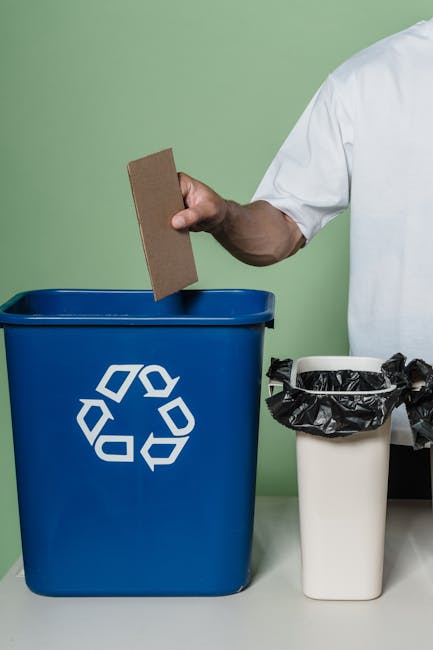
Havering Council rules Hornchurch cleaning waste disposal: a practical local guide
If you clean homes or commercial properties in Hornchurch, waste handling can quickly turn from a small nuisance into a real compliance headache. The tricky bit is not just the cleaning itself; it is what happens next. Dirty water, contaminated cloths, packaging, broken fittings, old textiles, and the odd surprise item all need to be dealt with properly. That is where understanding Havering Council rules Hornchurch cleaning waste disposal really matters.
This guide breaks the topic down in plain English. You will learn how local waste expectations usually work, what kinds of cleaning waste need extra care, how to reduce risk, and how to build a disposal routine that is practical rather than stressful. It is written for people who want to do the job properly, not just tick a box and hope for the best.
And yes, it can be a bit dull at first glance. Waste disposal rarely gets the glory. But get it wrong and the consequences are not dull at all.
Contents
- Why Havering Council rules Hornchurch cleaning waste disposal matters
- How Havering Council rules Hornchurch cleaning waste disposal works
- Key benefits and practical advantages
- Who this is for and when it makes sense
- Step-by-step guidance
- Expert tips for better results
- Common mistakes to avoid
- Tools, resources and recommendations
- Law, compliance, standards, or best practice
- Options, methods, or comparison table
- Case study or real-world example
- Practical checklist
- Conclusion
- Frequently asked questions
Why Havering Council rules Hornchurch cleaning waste disposal Matters
Cleaning waste is not one single thing. It can mean wastewater from a carpet clean, dusty debris from a deep clean, sanitary waste from a property clearance, or chemical containers from a specialist stain treatment. In a place like Hornchurch, where homes, flats, offices, schools, landlords, and local businesses all sit close together, poor disposal practice becomes obvious very quickly.
Why does this matter so much? Because waste left in the wrong place can create odours, staining, blocked drains, pests, and complaints from neighbours or building managers. If you work in a communal block, one careless disposal decision can affect a whole staircase. That is the sort of thing people remember, unfortunately.
The council angle matters too. Local authorities set expectations around how waste should be presented, segregated, stored, and collected. The exact details can vary depending on the waste type, but the overall principle is straightforward: do not treat cleaning waste as if it is all the same. It is not.
There is also a reputation point here. A company that handles waste carefully looks more professional, more trustworthy, and more organised. Clients notice that. They may not praise it out loud, but they do notice the difference between a tidy, well-managed job and one that leaves a mess behind the scenes.
For households, the issue is simpler but still important. Even if you are just trying to get a sofa, carpet, or mattress back to a fresh condition, you still need to dispose of packaging, pads, filters, and contaminated cloths properly. A smart approach saves time later. Always.
Practical takeaway: cleaning waste disposal is not an afterthought. It is part of the job, and in Hornchurch it should be planned from the start, not improvised at the end.
How Havering Council rules Hornchurch cleaning waste disposal Works
At a simple level, the process usually follows four steps: identify the waste, separate it, store it safely, and arrange the correct disposal route. That sounds tidy on paper; in real life it means making decisions while the work is actually happening.
Let us say you have finished a deep clean on a family home. You may have clean packaging, used microfibre cloths, vacuum dust, and wastewater. Each item may need a different handling method. Packaging might go into general household recycling if it is clean and suitable. Used cloths might need laundering or disposal depending on contamination. Wastewater might need careful controlled disposal rather than being tipped into any old drain. The details matter.
In commercial settings, the picture becomes more layered. Offices, shops, landlords, and managed properties often have their own waste arrangements, access rules, or bin store restrictions. If you are doing work in a building with shared bins, you cannot just assume there is space. And if the waste is bulky, wet, odorous, or potentially contaminated, it may need a separate collection route.
For many cleaning businesses, a strong internal process is the difference between a smooth day and a messy one. A good routine usually includes:
- checking the type of waste before the job starts
- bringing the right bags, containers, and labels
- keeping clean and contaminated materials apart
- securing any liquid waste in suitable containers
- avoiding overfilled bins or unsafe storage
- confirming who is responsible for final removal
If you run jobs across Hornchurch and the wider borough, you will quickly see that consistency is the real secret. Not perfection. Consistency.
There is a useful distinction to keep in mind: some waste is household-type waste, some is commercial waste, and some is treated as special or potentially hazardous depending on what it contains. That last category is where people often hesitate, and fair enough. When in doubt, treat it cautiously and do not mix it with ordinary rubbish.
Key Benefits and Practical Advantages
Getting waste disposal right is not just about compliance. It has day-to-day advantages that make cleaning work easier and more profitable.
- Cleaner handover: Clients are left with a finished result, not a trail of leftover mess.
- Lower risk of complaints: Properly managed waste reduces odours, spills, and shared-space issues.
- Better safety: Fewer loose items and liquid leaks means fewer slips and awkward accidents.
- Smoother scheduling: If waste is sorted correctly, you are less likely to be delayed by an unexpected disposal problem.
- Stronger professional image: Good disposal habits support trust, especially in repeat commercial work.
- Less rework: When waste is separated properly, there is less chance of contamination spreading back into clean areas.
There is also a quieter benefit: less mental clutter. Anyone who has finished a long clean at 7pm knows the feeling. The room looks good, the client is happy, but there is still a pile of used materials to sort out. If you have a system, that last part becomes routine rather than draining.
For businesses working in and around Hornchurch, the practical upside is simple. Good disposal habits make your operation more predictable. Predictability saves money, and it saves headaches too.
If your work includes specialist fabric care or heavier-duty fabric recovery, pages such as carpet cleaning, sofa cleaning, and upholstery cleaning can sit naturally alongside a proper waste process, because those jobs often generate the sort of materials that need thoughtful handling.
Who This Is For and When It Makes Sense
This guidance is useful for a few very different people, which is part of the reason the topic gets misunderstood.
Homeowners and tenants need it when they are clearing up after a deep clean, moving out, refreshing soft furnishings, or dealing with accidental damage that creates more waste than expected.
Landlords and letting agents need it when properties are turned over quickly and there is often a mix of cleaning waste, tenant waste, and leftover items that should not be left hanging around.
Commercial cleaners need it because commercial sites often have stricter bin arrangements, loading access, and expectations about what can be placed in standard waste streams.
Facilities managers need it because cleaning waste is often one part of a much larger building operation. If one contractor handles waste badly, the whole site can feel untidy.
Specialist cleaning teams need it when dealing with items that may contain soil, allergens, pet contamination, or more intensive staining. In those cases, disposal can be as important as the cleaning itself.
When does it make sense to be extra cautious? Pretty much anytime the waste is wet, smelly, heavy, sharp, contaminated, or awkward to store. In other words, more often than people like to admit.
Step-by-Step Guidance
Here is a straightforward way to approach cleaning waste disposal in Hornchurch without overcomplicating it.
- Identify the waste type. Separate general debris, recyclable packaging, contaminated cloths, liquid waste, and bulky items before you start bagging things up.
- Check the property setup. Look at where bins are stored, whether access is shared, and whether anything needs to be kept out of communal areas.
- Use the right containers. Strong sacks, sealed tubs, and leak-resistant containers help prevent spills and odours.
- Keep wet and dry waste apart. Mixing them makes bags fail faster and can create a much messier problem than you started with.
- Label or separate where needed. This matters more in commercial settings, especially when multiple teams are working on site.
- Remove waste promptly. Do not leave filled bags sitting in a hot hallway or by a shared entrance. The smell gets unpleasant quickly, especially on a warm afternoon.
- Confirm the final destination. Recycling, general refuse, specialist collection, or licensed disposal each have different expectations. Do not guess.
A small but useful habit is to do one final walk-through with a bin bag mindset. Look at the room as if you were the next person walking in. Is there anything left that should have gone? A pad under a radiator, a broken clip, packaging in a corner, a damp cloth on a shelf? Tiny things, but they add up.
And if you are working on fabric-heavy jobs, build the waste plan before the clean ends. That is much easier than trying to improvise while standing in a damp living room with two overfilled sacks and nowhere obvious to put them. Been there, more than once.
Expert Tips for Better Results
Experience teaches you that waste management is won in the details. Here are the habits that make the biggest difference.
- Bring more sacks than you think you need. Cleaning jobs expand. They just do.
- Carry a small sealable container for sharp or awkward items. Broken fittings, clips, and stiff debris should not rattle around in a loose bag.
- Use colour-coded thinking. Even if you do not use formal colour coding, mentally separating waste types helps avoid mistakes.
- Protect vehicle interiors. If waste leaks in transit, you can create a second job for yourself.
- Keep a disposal log for repeat commercial clients. It is not glamorous, but it helps with accountability.
- Never assume a bin store is fair game. Shared bins are often tightly managed, and sometimes there is just no capacity.
One very practical tip: if you are removing soft furnishing waste, allow for dust, loose fibres, and the occasional smell that clings longer than expected. Anyone who has carried an old rug or mattress knows the feeling. The air just tells you the job was real.
If sustainability matters to your client, you can also align disposal habits with a broader approach to recycling and sustainability. That does not mean forcing everything into recycling. It means sorting honestly and responsibly so recyclable materials are not contaminated by the rest.
Common Mistakes to Avoid
Most waste disposal errors are boringly predictable. That is actually helpful, because predictable mistakes are easy to prevent.
- Mixing everything together. General waste, wet waste, recyclables, and contaminated items should not all end up in one sack.
- Overfilling bags. Heavy bags split. Usually at the worst possible moment.
- Leaving liquid waste unsecured. Even a small leak can make a car boot, hallway, or bin store a nightmare to clean.
- Using shared bins without permission. This can cause friction with residents or site managers.
- Assuming all cleaning waste is harmless. Some materials may be contaminated with allergens, bodily fluids, or harsh residues.
- Forgetting local access restrictions. Loading areas, stairwells, and narrow entrances can affect how waste should be moved.
Another common slip is treating disposal as the final five minutes of the job. In reality, it should be part of the planning. If you are already thinking about waste at the start, you will usually avoid the awkward last-minute scramble. Simple, but true.
Let's face it, nobody wants to be the person dragging a leaking sack down a communal corridor while apologising to three different neighbours. Not a great look.
Tools, Resources and Recommendations
You do not need a huge kit to manage cleaning waste properly, but the right basics help a lot.
| Tool or item | Why it helps | Best use |
|---|---|---|
| Heavy-duty sacks | Reduce splits and contain debris better | Dry cleaning waste, packaging, cloths |
| Sealable tubs or buckets | Good for wet waste and residue | Liquid-related cleaning waste |
| Disposable gloves | Protect hands from grime and contamination | Any waste sorting task |
| Labels or markers | Help keep waste streams separate | Commercial jobs and multi-team work |
| Vehicle liners or mats | Protect the van or car from drips | Transporting waste off-site |
For service providers, a clear internal process matters just as much as equipment. That is why policies around health and safety and insurance and safety are worth reviewing before you take on larger or messier jobs. They help you think through the awkward scenarios before they become actual problems.
Good communication tools matter too. A simple job sheet with notes about waste type, access, and any special disposal requirement can save you from misunderstandings later. It sounds a bit admin-heavy, but it beats winging it. Every time.
If pricing needs to reflect disposal effort, a transparent approach to pricing and quotes helps set expectations early. Clients are usually much happier when they understand what is included and what is not.
Law, Compliance, Standards, or Best Practice
Because this topic touches waste, hygiene, and sometimes potentially contaminated materials, a cautious and sensible compliance approach is the safest route. In the UK, waste should generally be handled in a way that avoids nuisance, prevents pollution, and follows the correct duty of care principles. That is the broad picture. The precise obligations can vary depending on the waste type and who is producing it.
For Hornchurch jobs, a few best-practice principles are especially relevant:
- Do not mix waste streams unnecessarily.
- Do not leave waste where it can create a hazard or nuisance.
- Use suitable containers for liquid or contaminated material.
- Respect site rules for communal bins and access areas.
- Keep records where commercial work or repeat disposal is involved.
If you are unsure whether something counts as ordinary cleaning waste or something more controlled, be careful and seek proper guidance before disposal. That is not being overcautious. That is sensible. Truth be told, this is one of those areas where a small mistake can become an expensive mess.
For businesses, good terms and client-facing rules matter too. Clear expectations in terms and conditions can reduce arguments about what waste is removed, what is left on site, and how special handling is charged or arranged.
Options, Methods, or Comparison Table
There is no one-size-fits-all method for cleaning waste disposal. The best option depends on the waste type, access, and whether the job is domestic or commercial. Here is a simple comparison to help.
| Method | Best for | Pros | Limitations |
|---|---|---|---|
| General bagged refuse | Dry debris, packaging, non-contaminated items | Simple, quick, low effort | Not suitable for wet or contaminated waste |
| Separated recycling | Clean cardboard, plastic, suitable packaging | Supports sustainability and cleaner site management | Only works when items are clean and accepted |
| Sealed wet-waste containers | Liquid residue, damp cleaning materials | Reduces leaks and odours | Needs careful handling and prompt removal |
| Specialist collection or removal | Bulky, contaminated, or difficult materials | Safer for awkward waste | Usually needs advance planning |
For many homes, the answer is a combination of the first two methods. For businesses or more demanding cleans, the third and fourth methods may come into play. If you are dealing with mattresses, upholstery, or pet-affected items, the waste profile can shift quite a bit. That is why services such as mattress cleaning, pet stain odour removal, and stain removal often benefit from a tighter waste process than a standard tidy-up.
Case Study or Real-World Example
Imagine a Hornchurch flat after a deep clean following a long tenancy. The property has carpet fibres, packaging from cleaning products, used cloths, and a couple of damp items that picked up smell during the job. Nothing dramatic, but enough to make disposal awkward if handled badly.
The cleaner starts by separating the waste into dry and wet materials. Clean cardboard from product packaging is set aside for recycling. Used cloths go into a sealed bag. Damp items are bagged separately so they do not soak through the rest. The team checks the building rules for the communal bin store rather than assuming there is room. Waste is removed the same day, and the flat is handed back without a lingering smell in the hallway.
Nothing flashy there. Just a job done properly.
Now compare that with the alternative: everything chucked into one overfilled sack, left by the back door until morning, and then dragged through a shared entrance with a drip trail behind it. One version feels professional. The other feels like an apology waiting to happen.
Practical Checklist
Use this quick checklist before, during, and after disposal.
- Identify waste types before you begin
- Separate dry, wet, recyclable, and contaminated items
- Bring strong sacks, sealed containers, and gloves
- Check building or site bin rules
- Avoid overfilling bags
- Keep liquid waste secure and upright
- Remove waste promptly after the job
- Do not leave materials in communal areas
- Confirm whether specialist disposal is needed
- Record anything unusual on the job sheet
If you can tick those off consistently, you are already ahead of many people. It is not complicated. It is just disciplined.
Conclusion
Havering Council rules Hornchurch cleaning waste disposal are best understood as a practical framework rather than a single rigid script. The goal is to keep waste safe, separate, and appropriate to the site and the waste type. Once you build that into your routine, the whole job feels smoother.
For residents, landlords, and local businesses, the big win is peace of mind. For cleaners, the win is fewer mistakes, less waste-related stress, and a more professional finish. That matters in a busy local area where people do notice the details, even if they do not say so out loud.
If you are planning a more involved clean and want the disposal side handled with care, it helps to work with a team that already thinks about the small stuff. The small stuff is what keeps jobs tidy, after all.
Get a free quote today and see how much you can save.
And if nothing else, you will sleep easier knowing the mess has been handled properly. That is worth a fair bit, really.
Frequently Asked Questions
What does Havering Council rules Hornchurch cleaning waste disposal usually cover?
It usually covers how cleaning waste should be separated, stored, and presented for collection, plus the practical expectations around keeping waste safe and not causing nuisance. The exact details depend on the waste type and property setup.
Can I put cleaning waste in the same bin as household rubbish?
Sometimes yes for ordinary dry waste, but not always. Wet, contaminated, bulky, or potentially hazardous cleaning waste should be handled separately. If in doubt, treat it more carefully rather than mixing it in.
What should I do with dirty water after carpet or sofa cleaning?
Dirty water should be managed carefully so it does not spill, stain surfaces, or enter unsuitable drainage routes. Use a sealed container and follow the property's waste or drainage guidance. If the job is commercial, check site rules first.
Do I need special disposal for pet-related cleaning waste?
Often, yes, at least more caution than usual. Pet-contaminated cloths, pads, or removed materials can carry odour and contamination. They should be separated from clean recyclable materials and handled in a way that keeps the rest of the waste stream clean.
Is recycling always possible for cleaning waste?
No. Only clean, suitable materials should go into recycling. Once cardboard, plastic, or other packaging is contaminated with dirt, cleaning residue, or moisture, it may no longer be recyclable. That is one of the more common mistakes.
What happens if waste is left in a communal hallway or bin store?
It can create odour, block access, and cause complaints from neighbours or building managers. In shared buildings, even a small amount of waste left in the wrong place can become a bigger issue quickly.
How do professional cleaners usually manage waste disposal on site?
They usually sort waste during the job, use separate bags or containers, keep wet and dry waste apart, and remove everything promptly. Good teams also plan for access, vehicle protection, and any client-specific bin rules.
Are there different rules for domestic and commercial cleaning waste?
Yes, in practice there often are. Commercial sites tend to have more structured waste arrangements, site permissions, and access restrictions. Domestic jobs are usually simpler, but the same basic principles still apply.
Should I keep records of waste disposal?
For commercial work, it is a very good idea. A simple note on what was removed, how it was separated, and where it was taken can help with accountability and avoid disputes later.
How can I reduce waste during a cleaning job?
Bring only what you need, use reusable tools where possible, separate recyclable packaging, and avoid overusing disposables. Careful planning usually cuts down on waste more than people expect.
What is the safest first step if I am unsure about a waste item?
Keep it separate until you know more. Do not mix uncertain waste with general rubbish. That small pause can prevent a bigger problem later, and it is usually the smarter move.
Can cleaning waste disposal affect the final quality of the job?
Absolutely. A room can be freshly cleaned yet still feel unfinished if waste is left behind. Proper disposal supports the finish, the smell, the safety of the space, and the overall impression you leave.
Learn more about our approach and standards if you want to see how careful, client-friendly service fits into the bigger picture.