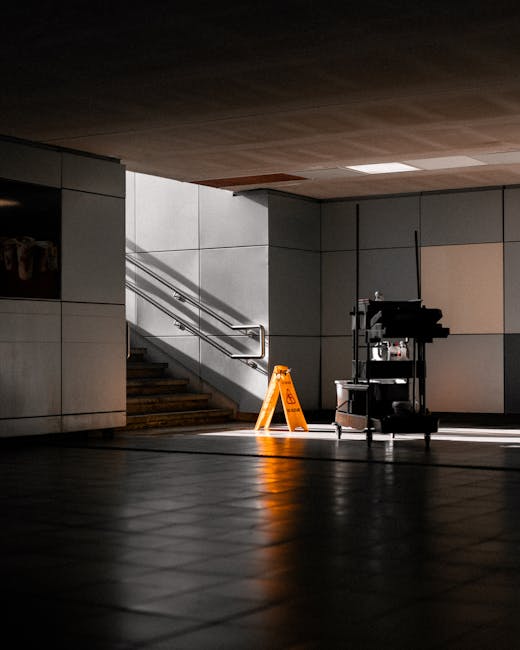
Commercial cleaning Hornchurch High Street shops and offices
If you manage a shop, salon, studio, or office on Hornchurch High Street, you already know the basics can make or break the day. A streaky front window, a grubby entrance mat, or a tired carpet near the till is small stuff on paper, yet customers notice it instantly. Staff do too. That is why commercial cleaning Hornchurch High Street shops and offices is not just about looking neat; it is about keeping a busy local business presentable, safer to work in, and far easier to run.
In a high-footfall stretch like Hornchurch High Street, dirt builds up faster than most people expect. Rain gets tracked in by the doorway, packaging dust settles on shelves, office tea points get messy by Thursday afternoon, and the same few touchpoints collect fingerprints all day long. This guide walks through what commercial cleaning really means in a local retail and office setting, how it works, what to prioritise, and how to avoid the common mistakes that cost time and money.
If you want a broader look at specialist floor care, you may also find the service information for commercial carpet cleaning useful, especially where shop entrances or office corridors are taking the brunt of daily traffic.
Table of Contents
- Why commercial cleaning matters on Hornchurch High Street
- How the cleaning process works
- Key benefits and practical advantages
- Who needs it and when it makes sense
- Step-by-step guidance
- Expert tips for better results
- Common mistakes to avoid
- Tools, resources and recommendations
- Law, compliance, standards and best practice
- Options, methods and comparison table
- Case study or real-world example
- Practical checklist
- Conclusion
- Frequently asked questions
Why Commercial cleaning Hornchurch High Street shops and offices Matters
Commercial premises live or die by first impressions. That sounds dramatic, but in retail and office environments it is fair to say the front-of-house space is part of the product. A clean entrance, tidy floor, and fresh-smelling reception area quietly tell people they are in the right place. A dusty shelf, stained carpet, or sticky handrail tells a different story.
On Hornchurch High Street, where customers move quickly from one shopfront to the next, you often have only a few seconds to look organised and trustworthy. Offices are a bit different, but the principle is the same: staff productivity, visitor confidence, and day-to-day morale all improve when the space is properly maintained. Nobody does their best work next to a bin that is overflowing. Let's be honest.
There is also a practical side. Commercial spaces gather more fine dirt than domestic properties because of repeated shoe traffic, deliveries, packaging, and frequent touchpoints. In wet weather, it gets worse. Mud and road grit grind into carpets; entrances become slippery; counters show fingerprints; and toilets, kitchens, and break areas need frequent attention if you want to avoid that tired, "we have been rushing all week" feeling.
Practical summary: The goal of commercial cleaning is not perfection for its own sake. It is consistency, presentation, and control. If the space is easy to navigate, visibly cared for, and kept on a sensible schedule, it does the business a favour every single day.
For many businesses, the most visible problem is flooring. If your shop or office has carpeted areas, it makes sense to pair general cleaning with a more specialist floor treatment such as carpet cleaning or, where the setting is more demanding, steam carpet cleaning.
How Commercial cleaning Hornchurch High Street shops and offices Works
Good commercial cleaning starts with a clear plan, not a random wipe-down and a hopeful sweep of the floor. The right routine depends on the premises, the footfall, the surfaces, and the business hours. A small office with low visitor traffic will need a different approach from a busy high street shop with morning deliveries, lunch-time visitors, and weekend rush periods.
Typically, the work is split into daily, weekly, and periodic tasks. Daily tasks keep visible areas under control. Weekly tasks deal with deeper grime and more detailed finishes. Periodic tasks tackle things that do not need attention every day but can quietly get out of hand, such as upholstery, deep carpet extraction, or stain treatment. That rhythm is the key. Without it, cleaning becomes reactive, and reactive cleaning is always more stressful.
In practical terms, commercial cleaning often covers:
- Entrance areas, mats, and threshold cleaning
- Floors, including vacuuming, mopping, and machine cleaning where needed
- Desks, counters, and reception points
- Touchpoints such as handles, switches, rails, and shared equipment
- Washrooms, kitchens, staff rooms, and customer-facing toilets
- Upholstery, fabric chairs, curtains, and soft furnishings where relevant
- Spot treatment for stains, spills, and odours
Some spaces need a very specific approach. For example, a waiting area with upholstered seating might benefit from upholstery cleaning, while a customer lounge or meeting room with fabric sofas could also need sofa cleaning from time to time. The important thing is to match the method to the material. A one-size-fits-all approach rarely ends well.
Truth be told, most cleaning problems in commercial properties are not dramatic. They are cumulative. A little dirt at the entrance every day. A few coffee rings that stay too long. A bit of soot-like traffic grime in the carpet. Then one morning the place simply looks tired. That is usually when people call for help.
Key Benefits and Practical Advantages
The obvious benefit is a cleaner building, but there is more to it than that. A well-run commercial cleaning routine makes a business feel orderly, which matters more than people admit. Customers feel calmer, staff have fewer distractions, and the premises simply work better.
- Better first impressions: A clean frontage and welcoming interior help customers feel comfortable from the moment they step in.
- Less wear and tear: Routine cleaning slows down staining, matting, scuffing, and premature fabric deterioration.
- More hygienic workspaces: Regular attention to touchpoints, washrooms, and shared spaces reduces obvious grime and buildup.
- Safer floors: Clear, dry, well-maintained floors are less likely to become slippery or cluttered.
- Improved staff morale: People work better in spaces that feel looked after. It is just human nature.
- Lower disruption: Scheduled cleaning is easier to manage than last-minute emergency cleans after a spill or a customer complaint.
There is also a brand value in consistency. If one customer sees a polished entrance on Monday and a dusty corner on Friday, the overall impression drops. The same is true for office visitors. Clean premises suggest reliable operations, even before anyone has opened a laptop or looked at a product list.
For businesses with fabric furnishings, curtains, or decorative rugs, specialist care can make a surprisingly large visual difference. A tired reception chair can age a whole room. If that sounds familiar, rug cleaning and curtain cleaning may be worth considering alongside the main routine.
Who This Is For and When It Makes Sense
This kind of service is relevant to far more businesses than people first think. Yes, it clearly suits shops and offices, but the practical need often extends into customer waiting areas, treatment rooms, small studios, co-working spaces, and mixed-use premises with public access.
You will usually benefit from a structured commercial cleaning plan if any of these sound familiar:
- You have regular footfall from customers, clients, or delivery staff
- Your floors show traffic marks quickly, especially near entrances
- Your staff are handling cleaning in-house, but it is becoming inconsistent
- You need a cleaner appearance before meetings, launches, audits, or busy trading periods
- You are noticing dust, odours, stains, or a general "lived-in" look
- You want cleaning that works around trading hours rather than interrupting them
In a retail setting, timing matters a lot. A shop on Hornchurch High Street may need work done early in the morning, after closing, or in a tightly controlled window between delivery and opening. Offices often prefer evening or weekend visits so desks and meetings are not interrupted. A decent plan respects how the business actually runs, which sounds obvious, but it is where a lot of poor service begins.
Sometimes the job is not a full reset; it is a targeted intervention. A reception carpet has taken one too many wet-weather footprints. A fabric waiting chair has picked up a coffee mark. A break-room smells odd after a spill no one quite owned up to. In those moments, focused stain treatment can help, and stain removal is often a sensible part of the wider package.
Step-by-Step Guidance
If you are planning commercial cleaning for a shop or office, this is the basic process to follow. Keep it simple. The best systems usually are.
- Walk the space properly. Look at entrances, flooring, counters, corners, staff areas, toilets, and any soft furnishings. Notice where the dirt really gathers, not just where it is easiest to see.
- Separate daily tasks from deep-clean tasks. Daily work should keep the place presentable. Deep-clean work should target buildup, dullness, and the stubborn things that regular wiping misses.
- Set priorities by risk and visibility. In a high street shop, the entrance and customer path matter most. In an office, reception, meeting rooms, and kitchens may take priority.
- Choose the right method for each surface. Hard floors, carpets, upholstery, glass, and vinyl all need different treatment. That sounds basic, but it is where damage often happens.
- Schedule around business hours. The cleaner the work is, the smoother the routine should be. Early morning, late evening, or off-peak windows reduce disruption.
- Review the results after a few visits. Check whether the plan is actually working. Are high-traffic areas improving? Are there still odours or recurring marks?
A useful rule of thumb: if the same problem keeps returning in the same place, the cleaning plan needs adjusting. Maybe the entrance mat is too small. Maybe staff need a spill kit closer to the till. Maybe the weekly clean is not enough. Small changes, big difference. Annoying, yes, but true.
When carpets are the main issue, especially in offices or shop back areas, a more focused approach such as commercial carpet cleaning can help control the build-up before it becomes a visible problem.
Expert Tips for Better Results
After enough commercial cleaning jobs, a few patterns become obvious. The places that stay clean longest are rarely the places that are scrubbed hardest once a month. They are the places with sensible habits, a realistic schedule, and a bit of discipline from everyone using the space.
- Use proper entrance control. Mats, regular vacuuming, and sensible placement of bins all help reduce dirt spread.
- Keep a fast-response spill routine. Coffee, rainwater, food, and ink stains are easier to treat early. Leave them too long and they become part of the decor, which is not ideal.
- Focus on touchpoints. Handles, push plates, shared chairs, counters, and switches matter more than people think.
- Rotate deep-clean areas. If everything is treated as urgent, nothing gets done properly. Work through the building in sections.
- Match cleaning to trading patterns. Busy Friday retail? Quiet Monday office? Use that rhythm rather than forcing a rigid timetable.
One small but useful tip: ask staff where the place gets messy first. They usually know. The person on the front desk, the shop manager, or whoever empties the bins at the end of the day has a better map of the real problem areas than a floor plan ever will. Not glamorous, but useful.
If your business has recurring odour issues from pets, stock, or fabric furnishings, that needs a more specific approach. In those cases, pet stain odour removal may be relevant, even in a commercial setting where the source is not actually a pet but a lingering smell that needs proper treatment.
Common Mistakes to Avoid
Most cleaning problems are created by good intentions and poor timing. That is the awkward truth. Here are the mistakes that tend to cause the most trouble in shops and offices.
- Waiting until it looks bad: By the time a carpet is visibly dirty, the deeper buildup has usually been there for a while.
- Using the wrong product on the wrong surface: Harsh chemicals can mark finishes, dull fabrics, or leave residue.
- Ignoring the entrance: If the first five metres are dirty, the whole place feels dirty.
- Overlooking soft furnishings: Upholstery, curtains, and fabric chairs collect odours and dust quietly.
- Cleaning around clutter rather than removing it: A proper clean needs access. Simple as that.
- Assuming one deep clean will fix everything: It helps, certainly, but long-term results come from maintenance.
Another common one: forgetting that office kitchens and staff rooms need as much discipline as public-facing areas. Sometimes more. If a mug ring, crumb trail, or bin smell hangs around in a back office, people start treating the whole building as less cared for. And once that feeling sets in, it is hard to shake.
Regular use of a sensible washroom and office routine helps too, but when carpets, chairs, or waiting areas are already compromised, specialist cleaning is often the better fix than trying to mask the issue.
Tools, Resources and Recommendations
You do not need a warehouse of equipment to keep a commercial space in decent shape, but you do need the right basics. A well-stocked maintenance kit is often the difference between a quick fix and a lingering problem.
- Microfibre cloths: Good for counters, glass edges, and touchpoints without smearing everything around.
- Commercial vacuuming equipment: Especially useful in carpeted offices and shop entrances with heavy footfall.
- Mops and floor-safe detergents: Important for hard flooring, but the product must suit the surface.
- Spot-treatment products: Useful for quick response to spills, provided they are used correctly.
- Protective mats: A simple preventative tool that pays off quickly in wet weather.
- Cleaning schedule sheet: Paper or digital, it does not matter much. What matters is that people actually use it.
For carpeted areas, steam-based cleaning is often one of the more effective options where the material and drying conditions allow it. If you want a method that reaches deeper into fibres, steam carpet cleaning is worth understanding before you decide how to approach regular maintenance.
If you are weighing up budgets and planning frequency, the pricing information on pricing and quotes can help you think through the scope of the work without guessing. And if you want to know a bit more about the company behind the service, the about us page is a sensible starting point.
Law, Compliance, Standards, or Best Practice
For shop and office managers, cleaning is not only about appearance. It also intersects with workplace safety, hygiene routines, and the general duty to keep the premises reasonably safe and well maintained. The exact legal obligations can vary depending on the setting, lease arrangements, and business type, so it is wise to treat this area carefully rather than assuming one rule fits every building.
In the UK, sensible commercial cleaning practice usually includes:
- keeping floors free from avoidable slip hazards
- maintaining washrooms and food-preparation or tea-point areas properly
- using products safely and following label guidance
- training staff where they are expected to do cleaning tasks in-house
- keeping records or checklists where they help demonstrate routine care
It is also worth paying attention to insurance and access. If work is being carried out outside trading hours, the cleaner or contractor should understand the site layout, alarm procedures, and any restrictions around keys, shutters, stock areas, or customer data. In practice, the smoothest jobs are the ones where everyone knows the rules before the first cloth comes out.
For businesses that want reassurance around this side of things, insurance and safety and the health and safety policy are useful references. If there is a concern about how a job is handled, the complaints procedure explains the route for raising it in a clear, straightforward way.
Best practice also means respecting privacy, payment security, and data handling if service details or booking information are shared. That may sound administrative, but in a busy business, admin and cleaning are more connected than people think. Messy records often mean messy service.
Options, Methods, or Comparison Table
Choosing the right cleaning method depends on the material, the level of traffic, and how quickly the area needs to be back in use. Here is a simple comparison to help guide the decision.
| Method | Best for | Strengths | Watch-outs |
|---|---|---|---|
| Routine janitorial cleaning | Daily shop and office upkeep | Keeps visible areas tidy, supports consistency, low disruption | Will not remove deep carpet soil or embedded stains |
| Vacuuming and floor care | Entrance zones, carpets, corridors | Reduces grit, improves appearance quickly | Needs regular repetition to stay effective |
| Steam carpet cleaning | Heavily used carpeted spaces | Stronger deep-clean effect, useful for traffic lanes | Drying time and suitability of the fabric matter |
| Upholstery cleaning | Waiting areas, office seating, reception furniture | Freshens the space and removes visible dullness | Not all fabrics react the same way |
| Spot stain treatment | Fresh spills, localised marks | Fast response, prevents permanent damage if handled early | Old stains may need a different method |
If you are not sure where your own premises sit on that table, start with the visible pain points. Is the problem mainly the entrance? The seating? The office kitchen? The carpets? That answer usually tells you what to prioritise first, and what can wait a little longer.
Case Study or Real-World Example
Imagine a small Hornchurch High Street business with a retail front and a compact back office. The shop looks fine from a distance, but by midweek the entrance mat is damp and grey, fingerprints build up on the glass partition, and the office carpet near the desk picks up coffee spots and shoe marks. Nothing dramatic. Just enough to feel a bit tired.
What usually helps in a situation like that is not a giant overhaul. It is a simple reset:
- daily front-of-house touchpoint cleaning
- more regular entrance floor care
- periodic deep cleaning for the carpeted sections
- spot treatment for marks before they settle
- occasional upholstery or soft furnishing care
After that, the space tends to hold up better. It looks lighter. The air feels cleaner. Customers notice the shop sooner, and staff spend less time worrying about the place looking shabby. That last part matters more than people admit. A tidy room changes the mood. A bit of a reset, and everyone breathes easier.
In a busier office, the same principle applies. Deep cleaning is valuable, but what really keeps standards up is the combination of maintenance and timely intervention. A month of "we will deal with it later" can undo a lot. Been there, seen that.
Practical Checklist
Use this checklist to review whether your shop or office cleaning plan is actually doing the job.
- Entrance mats are clean, correctly sized, and checked regularly
- Floors are cleaned on a schedule that matches footfall
- High-touch points are not being overlooked
- Washrooms and tea points are receiving proper attention
- Spills are being dealt with quickly
- Carpets are vacuumed often enough to stop grit building up
- Upholstery and soft furnishings are not being forgotten
- Cleaning times do not interrupt trading more than necessary
- Staff know how to report issues or recurring problem areas
- Insurance, access arrangements, and site rules are clear
- Any recurring odours or stains are being treated properly, not masked
- Cleaning records or routines are simple enough that people will actually follow them
If you are missing three or four of these, that is usually your starting point. Not a disaster. Just a sign the plan needs sharpening up.
Get a free quote today and see how much you can save.
Conclusion
Commercial cleaning Hornchurch High Street shops and offices is really about keeping a business usable, welcoming, and one step ahead of the mess that daily trading creates. That means more than a quick tidy. It means a routine that understands your floor plan, your footfall, your hours, and the impression you want to leave behind.
The best results come from steady maintenance, the right method for the surface, and a realistic schedule. Not flashy. Just dependable. And in a busy high street setting, dependable is worth a lot. Whether you are managing a compact office, a customer-facing shop, or a mixed-use space, the right cleaning approach helps the whole place feel calmer and more professional.
If you are ready to improve standards, reduce disruption, and make the day-to-day running of the premises easier, the next sensible step is simply to assess the areas that are wearing hardest and decide what needs attention first. Small improvements stack up fast.
In a place where people notice details, that can make all the difference.
Frequently Asked Questions
What does commercial cleaning for Hornchurch High Street shops and offices usually include?
It usually includes floor care, dusting, touchpoint cleaning, washroom cleaning, bin emptying, and attention to customer-facing areas. Depending on the premises, it may also include carpet, upholstery, or stain treatment.
How often should a shop on Hornchurch High Street be cleaned?
That depends on footfall, opening hours, and what the shop sells. Busy entrances and customer areas often need daily attention, while deeper tasks may be weekly or periodic. If the shop looks tired by midweek, the schedule probably needs tightening.
Do offices need the same type of cleaning as shops?
Not quite. Offices usually need stronger focus on desks, kitchens, meeting rooms, and shared equipment, while shops need more emphasis on entrances, display areas, and customer touchpoints. The goals overlap, but the priorities differ.
Can commercial cleaning be done outside business hours?
Yes, and in many cases that is the best option. Early morning, evening, or weekend cleaning can reduce disruption and help the space stay tidy without getting in staff or customer way. Timing is often half the battle.
What is the difference between routine cleaning and deep cleaning?
Routine cleaning keeps the space presentable day to day. Deep cleaning deals with buildup, embedded dirt, stains, and areas that do not need constant attention but do need periodic care. Both matter, just in different ways.
Is steam carpet cleaning suitable for offices and shops?
Often yes, especially for carpeted areas with heavier traffic. It can be a strong option for deep cleaning, but it depends on the carpet type, drying conditions, and how quickly the area needs to be back in use.
What should I do about a stubborn stain in a customer area?
Act quickly and avoid rubbing it in. Fresh marks are far easier to treat than old ones. If the stain is proving stubborn, targeted stain removal is usually better than repeated guessing with different products.
Are upholstered chairs and sofas worth cleaning in a commercial space?
Absolutely. Soft seating often holds onto dust, dullness, and odours long before people notice it consciously. Clean upholstery can change how a room feels, especially in reception areas and waiting spaces.
How do I know if my commercial cleaning plan is working?
Look for simple signs: fewer visible marks, better-smelling rooms, cleaner entrances, less dust on surfaces, and fewer recurring complaints from staff or visitors. If the same problems keep returning, the plan needs adjusting.
What if my premises has a mix of shopfront and office space?
Then the cleaning plan should be split by use. Public-facing areas need more frequent attention, while office zones may need a different rhythm. Mixed-use sites often work best with a layered approach rather than one uniform routine.
Where can I learn more about service standards and safety?
Useful starting points include the company's health and safety policy, insurance and safety information, and terms and conditions. Those pages help set expectations clearly before any work begins.
How do I request pricing without overcommitting?
Ask for a quote based on the actual size, condition, and use of the premises. That gives a far more realistic result than guessing. The pricing and quotes page is the sensible place to start.
What is the smartest first step if my shop or office needs a reset?
Start with the highest-traffic areas first: entrance, floors, counters, toilets, and any upholstered seating. Those are the places people notice immediately, and they tend to reveal where the rest of the cleaning plan should go next.